0%
The Future of Fitness Coaching: Managing Clients Beyond the Training Session
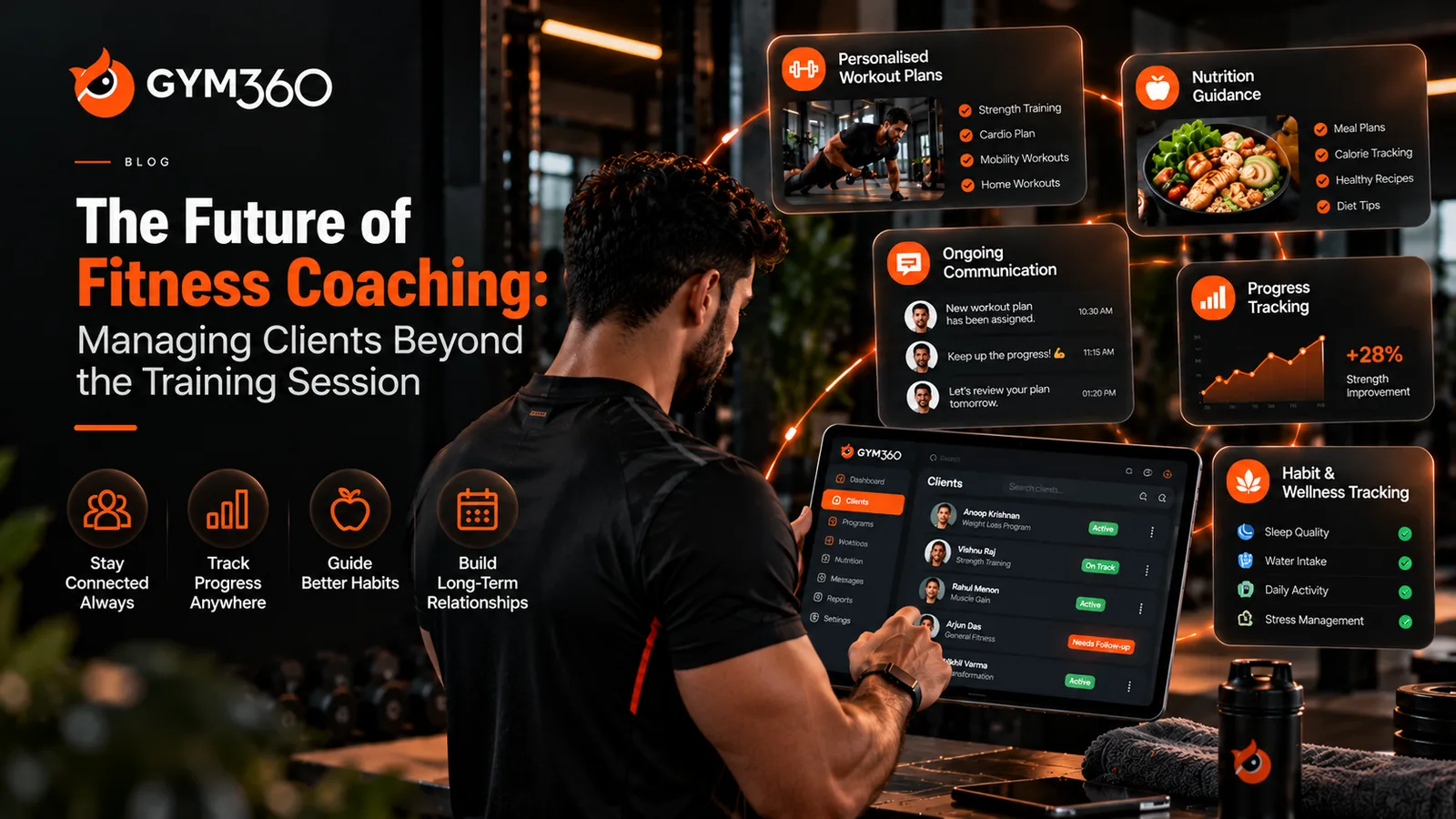
Fitness coaching now extends beyond the training session, with clients expecting easy scheduling, program access, progress tracking, and ongoing communication. As client numbers grow, managing these tasks can become time-consuming. Fitness coaching management software brings coaching and business activities together, reducing repetitive admin work and giving trainers more time to focus on coaching.
Coaching Goes Beyond the Training Session
A traditional coaching relationship may have focused mainly on what happens during a scheduled session. Today, the client experience can include:
Workout programs
Session bookings
Progress updates
Attendance
Client communication
Payments
Reminders
Ongoing support
Managing each of these manually can become difficult when a trainer has dozens of clients.
The future of coaching is therefore not simply about training more people. It is about managing the entire client relationship more efficiently.
1. Keep Client Information Organised
Important client information can easily become scattered across spreadsheets, notes, messaging apps, and documents.
Fitness coaching management software can provide a central place for client profiles, programs, bookings, and other relevant information.
This gives coaches better context before each session and reduces the time spent searching for previous records.
2. Make Personalised Programming Easier
Every client has different goals, abilities, schedules, and training requirements.
Creating and updating individual programs manually can take considerable time, especially as the client list grows.
A structured software platform can help coaches organise workout programs, exercises, and client-specific plans.
The technology handles the organisation, while the coach remains responsible for the actual training decisions.
The goal is to automate administration, not personalisation.
3. Stay Connected Between Sessions
Client engagement should continue outside scheduled training hours.
Members may need program updates, reminders, progress reviews, or answers to routine questions.
A Member Engagement Platform can help fitness businesses maintain structured communication with clients.
This creates a more consistent experience while reducing the need for coaches to manually manage every routine interaction.
4. Simplify Scheduling
Scheduling can quickly become one of the biggest administrative challenges for independent trainers.
Repeated messages about availability and rescheduling can consume valuable time.
Using best gym booking software can allow clients to view available slots and manage appointments more conveniently.
For trainers, this means fewer scheduling conversations and better control over their calendars.
5. Use Progress Information More Effectively
Good coaching depends on knowing what happens between sessions.
Attendance, completed programs, progress updates, and client feedback can provide useful information about a client's experience.
When these details are organised in one system, coaches can identify changes more easily and adjust their approach where necessary.
For example, a client may be attending regularly but struggling to complete their assigned workouts. This could indicate that the program needs to be adjusted.
Technology provides the information; the coach decides what action to take.
6. Reduce Payment and Membership Administration
Coaches and studio owners often have to manage more than training.
They may also handle membership payments, packages, renewals, and recurring subscriptions.
Connecting these activities through Fitness Business Management Software can reduce manual tracking and keep important business information organised.
This is particularly useful for smaller fitness businesses where the same person may manage both coaching and administration.
7. Give Clients a Better Digital Experience
Modern clients expect convenience from the businesses they use.
A Branded Fitness App Platform can provide a direct digital connection between a fitness business and its members.
Depending on the platform, clients can access programs, schedules, bookings, updates, and other services from their mobile devices.
This does not replace the trainer. Instead, it makes routine interactions easier and gives coaches more time for meaningful client conversations.
8. Connect Coaching With Business Operations
As a fitness business grows, coaching becomes one part of a much larger operation.
The business may also need to manage leads, memberships, bookings, attendance, payments, and reporting.
An all in one gym management software approach can connect these activities instead of requiring staff to work across several disconnected systems.
For larger fitness organisations, Fitness Facility Management Software can provide broader operational visibility.
A connected fitness business management platform can also help bring customer-facing and internal activities together.
9. Support Different Fitness Business Models
Fitness businesses do not all operate in the same way.
A Pilates studio may focus on classes and individual programs, while a boxing facility may centre its operations around specialised training sessions.
The software should therefore be flexible enough to support different workflows.
For example, pilates management software can support Pilates-focused businesses, while Boxing studio management software can help specialised training facilities organise their operations.
10. Turn Client Data Into Useful Insights
Technology can also help owners understand how their business is performing.
Information about bookings, attendance, memberships, engagement, and payments can reveal useful patterns.
These insights can help businesses identify:
Changes in client activity
Popular services
Booking trends
Membership performance
Engagement levels
Areas requiring attention
The purpose is not to replace human judgement. It is to give coaches and managers better information for making decisions.
What Should You Look For?
When choosing fitness coaching management software, focus on the features that solve your actual problems.
Consider whether the platform offers:
Centralised client profiles
Workout program management
Booking and scheduling
Client communication
Progress tracking
Membership management
Payment management
Attendance tracking
Mobile access
Reporting
The best solution should reduce administrative work without making the coaching process unnecessarily complicated.
Frequently Asked Questions
What is fitness coaching management software?
It is software designed to help fitness coaches manage clients, programs, bookings, communication, memberships, and related business activities from a connected platform.
Can it help trainers manage more clients?
Yes. By reducing repetitive tasks such as scheduling, record keeping, program administration, and routine communication, it can help trainers manage their workload more efficiently.
Does software replace personal coaching?
No. Technology manages routine processes, while trainers continue to provide expertise, motivation, personal guidance, and coaching decisions.
Can it improve client engagement?
Yes. A Member Engagement Platform can help businesses maintain communication and provide clients with useful resources between training sessions.
Is it suitable for fitness studios?
Yes. Depending on the platform, it can support gyms, personal training businesses, Pilates studios, boxing facilities, and other fitness businesses.
Conclusion
The future of fitness coaching is about managing the relationship beyond the training session.
Fitness coaching management software can connect client records, programs, bookings, communication, payments, and engagement in one organised workflow. This allows trainers to reduce repetitive administrative work while maintaining a more consistent client experience.
For fitness businesses, the goal is not simply to adopt more technology. It is to use technology strategically—to save time, support better coaching, strengthen client relationships, and create a business that can grow without adding unnecessary administrative workload.
OTHER BLOGS
Expert insights, trends, and practical strategies to help modern gyms grow smarter and operate better.